Do you have an iPhone that’s locked in your drawer? Maybe you forgot the passcode, or you’re still making payments on it.
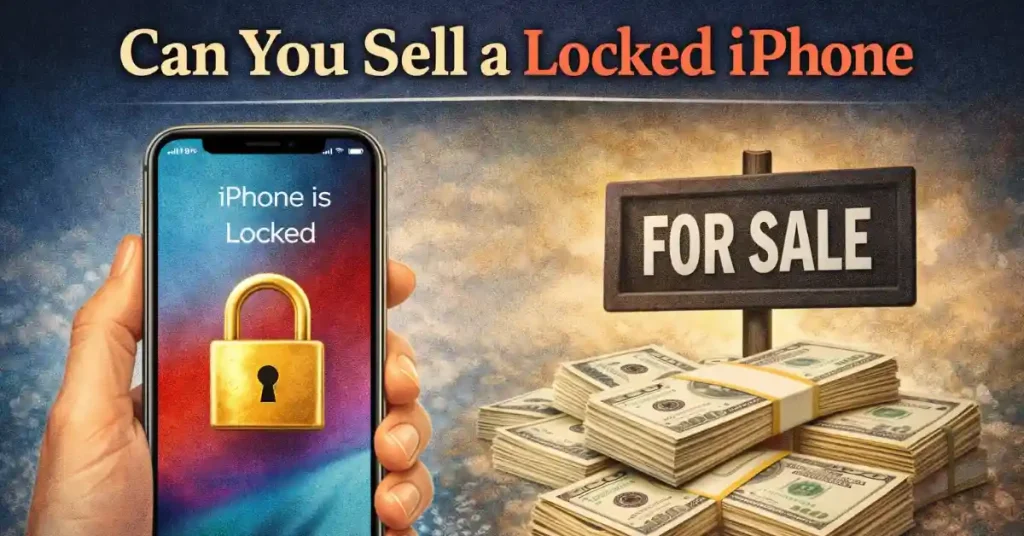
You might think it’s worthless, but the good news is that you can sell a locked iPhone.
Some buyers are still interested, even if it’s locked to a carrier. The key is knowing where to sell and what price you can expect.
You can legally sell a locked iPhone if you own it. The type of lock on your phone affects the amount of money you’ll receive.
Carrier-locked phones usually sell for close to the price of unlocked ones, but iCloud-locked or blacklisted phones only bring in about 10-30% of the unlocked value.
Different locks mean different prices.
A locked iPhone 15 could go for $350-450. That same phone, unlocked, sells for $400-$500.An iCloud-locked one? Only $100-150.
But that’s yet more money in your pocket, and not just another useless thing sitting in a drawer.
What Kind of Lock Do You Have? Understanding Your iPhone’s Situation
The type of lock on your phone is the most important factor.
Each lock affects your selling price differently. Some are easier to remove, while others lower your phone’s value but still allow you to sell it.
There are six primary forms of iPhone locks. Each influences how much purchasers will pay.
Each lock type works differently. Knowing your specific lock helps you set realistic prices. It also helps you find the right buyer
Carrier Lock: Easiest to Sell
A carrier lock means your phone only works with one network, like AT&T or Verizon. This is the most common type of lock, and the good news is you can sell a carrier-locked iPhone easily.
So, can you sell a carrier-locked iPhone? Absolutely, and it’s usually easy to do. Carrier-locked phones sell for 80-90% of unlocked prices.
Most carriers unlock phones for free after 60 days, but buyback sites buy them before that. The phone works perfectly; it just needs a SIM card from that specific carrier.
iCloud Lock: The Most Challenging
An iCloud lock connects your iPhone to an Apple ID using Find My iPhone.
Can you sell an iCloud-locked iPhone? Yes, but expect much lower prices. These phones are only useful for parts.
Newer iCloud-locked models sell for just $50-150. Without the original Apple ID password, the phone can’t be activated.
Specialty recyclers purchase these for parts, such as screens and cameras. If you can access your iCloud account, remove the device before selling.
Need more help? Check our complete guide on what to do with an iCloud-locked iPhone.
SIM Lock: Similar to Carrier Lock
A SIM lock prevents the use of other carriers’ SIM cards. You can still sell a SIM-locked iPhone; it’s basically the same as a carrier lock.
SIM-locked devices sell for similar prices to carrier-locked ones. Many people confuse these terms, but they’re nearly identical. Buyers treat them the same way.
Other Lock Types That Affect Value
Passcode-locked phones (with a forgotten PIN) resell for 20-50% of their unlocked value. Try a DFU reset to bypass the lock screen before selling.
Finance-locked phones mean you owe money on the device. You can sell them if you disclose the debt, but paying off the balance first gets you 50-80% more money.
Blacklisted phones have bad IMEI numbers from being reported lost or stolen. Only parts buyers want these, paying just 10-30% of the normal value.
MDM locks come from corporate or school management systems. These have almost no value; bulk refurbishers might pay less than 10% of unlocked prices.
Here’s the way it impacts your selling price:
| Lock Type | Resale Value (% of Unlocked) | Difficulty to Sell | Best Outcome |
| Carrier Locked | 80-90% | Low | Mainstream buyback |
| Passcode Locked | 20-50% | Medium | DFU reset then sell |
| iCloud Locked | 10-30% | High | Specialists only |
| Finance Locked | 50-80% if disclosed | Medium | Pay off for full value |
| Blacklisted IMEI | 10-30% | Very High | Parts buyers only |
| MDM Locked | <10% | Extreme | Bulk sales |
Go to Settings, then About, and write down your phone’s 15-digit number.
Check if your phone is blacklisted using free tools like IMEI24.com or sim-unlock.net. These tools show if your phone has any hidden issues.
Next, find out the specific type of lock on your phone.
You can see your carrier information in Settings. Try using a different SIM card to check if the phone is network-locked.
After a reset, check if the iCloud activation lock is off. Knowing these details helps you find the right buyer.
Then, compare offers from different buyers.
Always be honest about your phone’s lock status, since lying can lead to return shipping costs that eat into your profits.
Specialists like SellLocked handle tough locks better than general sites.
The Place Smart Sellers Shop for Top Dollar
Not every buyer wants a locked iPhone. Many reject them completely or pay extremely low prices. But if you’re in Las Vegas, you have a better option.
iPhone Buyer Las Vegas accepts all locked iPhones. It doesn’t matter if your phone is carrier-locked, iCloud-locked, blacklisted, or passcode-locked. They buy them all and pay fair prices.
Here’s what makes them different. iPhone Buyer pays cash on the spot. No waiting 2-5 days for PayPal transfers. No mailing your phone and hoping the check arrives. You get real cash in your hand the same day you meet.
iPhone Buyer is available seven days a week, including holidays. Need cash quickly? They can meet you today at a public location in Las Vegas. The entire process takes minutes, not days or weeks.
The team has over 10 years of experience buying locked iPhones. They know exactly what each lock type is worth. You’ll get a fair offer based on your phone’s actual condition and lock status. No lowball offers or surprise deductions.
The best part? No shipping hassles or return fees. You meet face-to-face, inspect the cash, and complete the transaction right there. Simple, fast, and secure.
Staying Legal and Protecting Your Data
Selling a locked iPhone is legal under the right circumstances. However, you need to follow certain rules. Understanding the legal side protects you from problems later.
You can legally sell a locked iPhone if you’re the legitimate owner. Finance-locked phones are okay to sell if you disclose the outstanding balance. Stolen iPhones are always illegal to sell, regardless of lock type.
An iCloud lock doesn’t automatically mean the phone is stolen.
Carriers blacklist devices for unpaid bills, too. These blacklists can be removed after paying what you owe. Always disclose any blacklist status to buyers upfront.
Your personal data stays safe on locked devices. Buyers can’t access photos, messages, or apps on passcode or iCloud-locked phones without your credentials. Factory resets wipe everything completely.
Here’s an important tip for iOS 18+ users: disable Stolen Device Protection before selling.
Go to Settings, then Face ID & Passcode, and turn it off. This security feature creates a one-hour delay that frustrates buyers. For a complete preparation checklist before selling, check out our guide on how to prepare your iPhone for sale.
Avoiding Costly Mistakes That Hurt Your Profit
Many sellers lose money through simple mistakes. These errors are easy to avoid once you know about them. Here are the three biggest mistakes that cost sellers money:
1. Lying About Your Phone’s Lock Type
Never lie about your phone’s lock status. Buyers test devices immediately upon arrival and will catch any dishonesty. Then you pay return shipping fees exceeding $20. Honesty saves both money and time.
2. Skipping IMEI Checks
Always check your IMEI status before getting quotes. Unknown blacklist status leads to lowball offers. A free 30-second check prevents leaving money on the table.
3. Ignoring Finance Payoffs
Pay off finance balances when possible. The increased resale value usually exceeds the remaining debt. Ignoring these risks risks the phone being blacklisted later, which kills resale value completely.
Commonly Asked Questions
1. Is it legal to sell an iPhone that isn’t paid off?
Ans- Yes, it is legal to sell a financed iPhone, but you remain personally responsible for the remaining balance.
2. Will Apple buy back an iCloud-locked iPhone?
Ans- No, Apple will not provide trade-in credit or cash for an iPhone that has Activation Lock enabled.
3. Can I sell an iPhone if it is blacklisted or has a “Bad IMEI”?
Ans- Yes, you can sell a blacklisted iPhone, though its resale value is significantly lower, often 50-80% less than a clean device.
4. What happens if I don’t turn off “Stolen Device Protection” before selling?
Ans- Failing to turn off Stolen Device Protection will trigger a one-hour security delay, preventing you from factory resetting your phone immediately.
5. Can a passcode-locked iPhone be factory reset?
Ans- Yes, a passcode-locked iPhone can be factory reset using Recovery Mode, but this will not remove an iCloud Activation Lock.